 Italiano
 English
 Español
 Deutsch
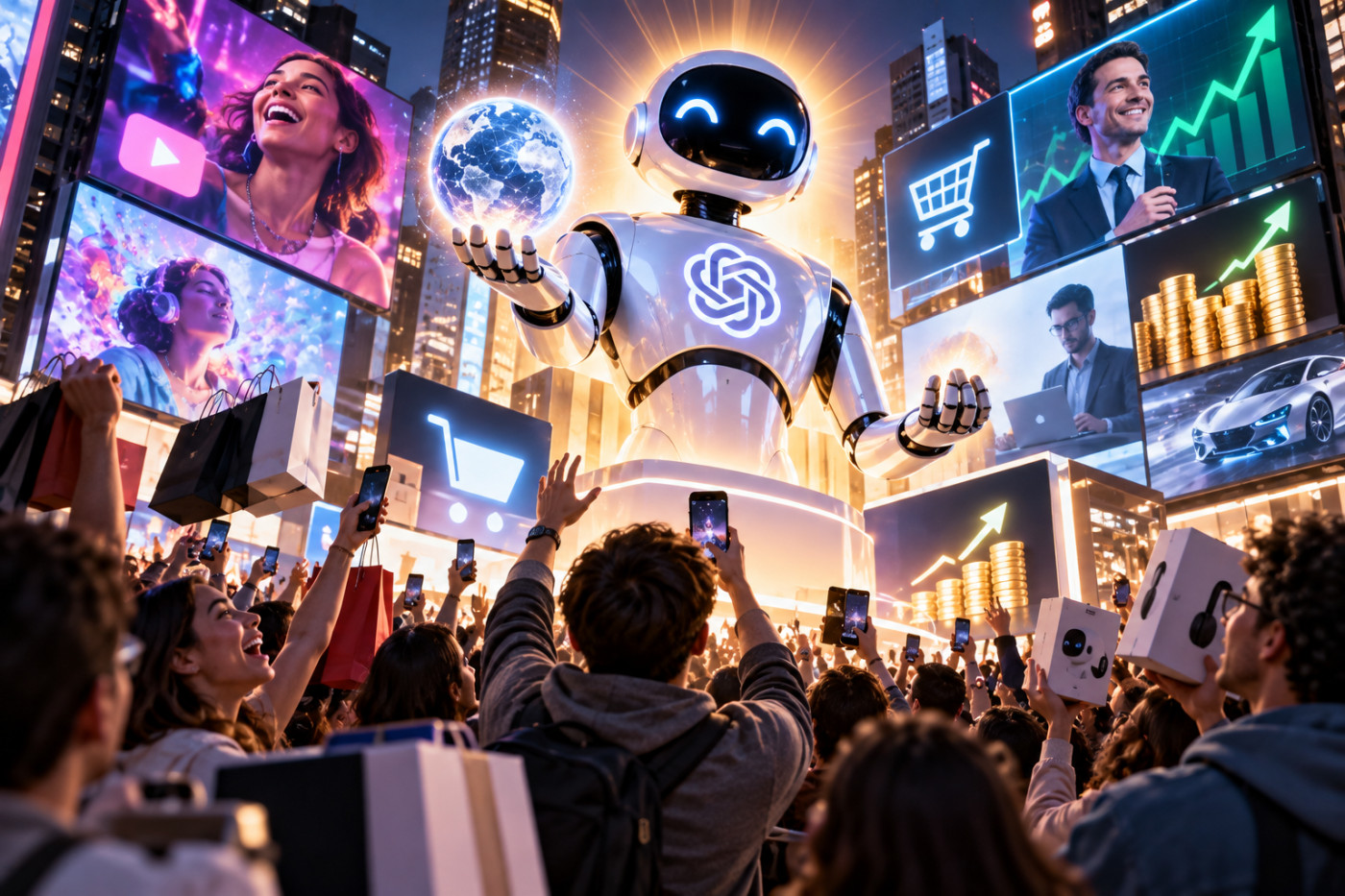
In the world of hip-hop music, the hype man serves a supporting role to the main performance; they are the person who gets the audience excited on behalf of whoever hires them.
Hype drives fashion trends, new artists in the music field, and car purchases. But, even more crucially, it drives investments in start-ups, technologies, and specific individuals.
Like other types of hype, AI hype plays on the fear of missing out: the message is repeated that certain technologies will change the world and that we, as consumers or business managers, absolutely have to use them in order not to fall behind. If you are a consumer and do not throw yourself wholeheartedly into the product at the center of the hype, you will be seen as a backward-looking Luddite, lacking the skills suited to today's world and/or as someone whose job is about to be automated.
- If you are a business manager, you have to keep up, otherwise your competitors will outmaneuver you.
- If you are a programmer, you have to use these new tools, otherwise you will waste time and fail to meet product delivery deadlines.
- If you are a teacher, you have to incorporate it into your curriculum, otherwise your students will not be prepared for AI-optimized workplaces.
- If you are a student, you have to understand AI perfectly in order to face today's working world, or you will be excluded from professional opportunities.
The commercial function of technology hype is to increase product sales. Put differently, OpenAI CEO Sam Altman is an advertiser, like all the great technology magnates of our time. If technological hype in general has a commercial function, AI hype in particular also has a cultural function: it connects a commercial objective with the popular imagination of sentient machines.